Measure M
Next 10 Delivery Plan
Keeping the Promise
The Measure M2 (M2) Next 10 Delivery Plan (Next 10 Plan) outlines OCTA’s priorities and funding commitments for delivering transportation improvements funded through the voter-approved M2 Transportation Investment Plan (Plan). The plan provides a forward-looking framework for advancing freeway, street, transit, and environmental projects while ensuring that all commitments of the M2 Program remain achievable through 2041.
The Next 10 Plan is regularly updated to reflect changes in economic conditions, sales tax revenue forecasts, external funding opportunities, and refined project schedules and costs. These updates help maintain a realistic delivery strategy while continuing to accelerate improvements that benefit Orange County residents, commuters, and businesses.
On October 27, 2025, the OCTA Board of Directors (Board) received the updated M2 sales tax revenue forecast of approximately $13.2 billion through 2041, representing a $800 million decrease from the 2024 forecast. Sales tax collections for fiscal year (FY) 2024-25 totaled $431.8 million, a modest 0.1 percent increase from the prior year. While revenue forecasts fluctuate with economic conditions, ongoing reviews of project costs, schedules, and available external funding continue to demonstrate that the overall M2 program remains deliverable.
On December 8, 2025, the Board approved the 2025 Next 10 Plan that spans FY 2025-26 through FY 2034-35. The plan serves as a living document that is updated periodically to reflect evolving revenue projections, project readiness, and funding opportunities. Through this adaptive approach, OCTA continues to maintain fiscal responsibility while advancing transportation improvements that keep Orange County moving.
M2 Timeline
Since the approval of M2, the OCTA Board has continued to advance implementation of M2 through the adoption of a series of early delivery plans. These early delivery plans are designed to ensure the delivery of all projects and programs through 2041 as promised to the voters. These plans also bring transportation improvements earlier to residents and commuters of Orange County, and, as appropriate, address fluctuations in sales tax revenue projections.
Five-Year Early Action Plan (EAP)
Adopted in 2007
Completed in 2012
M2020 Plan
Adopted in 2012
Intended to go through 2020, but was cut short due to a decrease in sales tax revenue.
Next 10 Delivery Plan
Originally adopted in 2017
Revised timeframe to 2026 to 2035.
Next 10 Plan Deliverables
To help improve mobility in Orange County over the next ten years, the deliverables are categorized by mode below. The progress of the Next 10 Plan will be reported every quarter as part of the M2 Quarterly Report.
Freeways
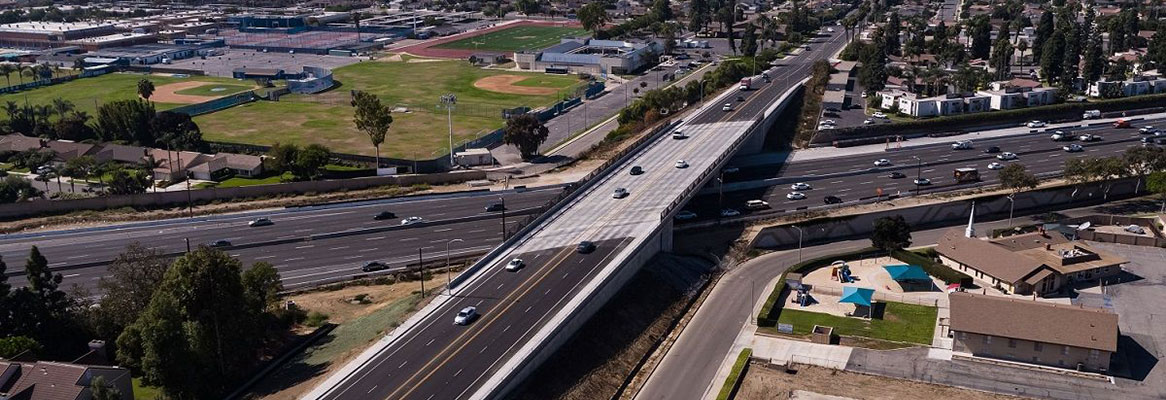
- Deliver 11 freeway projects through construction.
- Prepare remaining three freeway improvement projects for delivery.
Streets and Roads
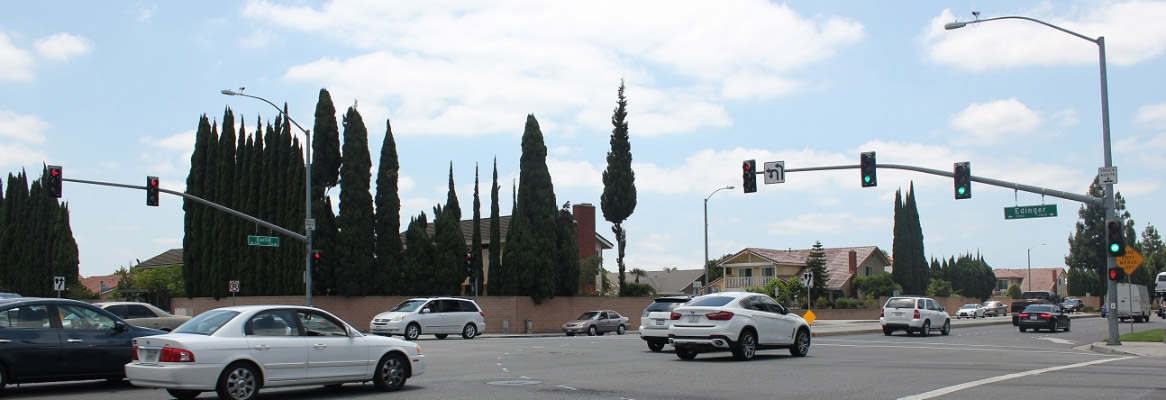
- Provide annual competitive funding opportunities for local jurisdictions to address bottlenecks and gaps in the street system, synchronize signals, and continue flexible funding to local jurisdictions to preserve the quality of streets or for use on other transportation needs, as appropriate.

Transit
- Support Metrolink service and advance development of a rail station, contingent on interagency coordination and long-term fiscal sustainability.
- Complete construction and begin operating the OC Streetcar. Additionally, work with local jurisdictions to consider recommendations from planning studies to guide development of future high-quality transit connections.
- Support expanded mobility choices for seniors and persons with disabilities.
- Work with local jurisdictions to maintain successful community circulator projects and potentially provide grant opportunities for expanded or new local transit services.
- Continue to improve the top 100 busiest transit stops to enhance the customer experience.

Environmental
- Ensure the ongoing preservation of purchased open space which provides comprehensive mitigation of the environmental impacts of freeway improvements and higher-value environmental benefits in exchange for streamlined project approvals.
- Work with the Environmental Cleanup Allocation Committee to develop the next tiers of water quality programs to prevent the flow of trash, pollutants and debris into waterways from transportation facilities. In addition, focus on improving water quality on a regional scale that encourages partnerships among the local agencies as part of the Environmental Cleanup Program.